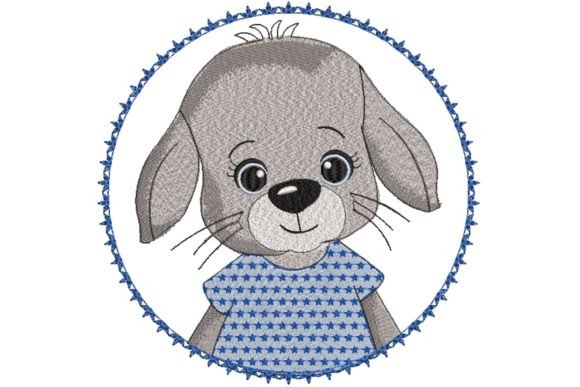
Baby Bunny Boy in Frame: A Designer’s Review
As an embroidery designer who has spent years testing digital files for real-world application, I approach every new machine embroidery design with a critical eye. It is not just about how the image looks on a screen; it is about how those stitches behave on fabric, how they wash, and ultimately, how they make the recipient feel. Recently, I had the opportunity to test the Baby Bunny Boy in Frame design, and I want to share my practical insights for fellow crafters, Etsy sellers, and small business owners looking to expand their inventory of personalized gifts.
First Impressions: Charm and Emotional Appeal
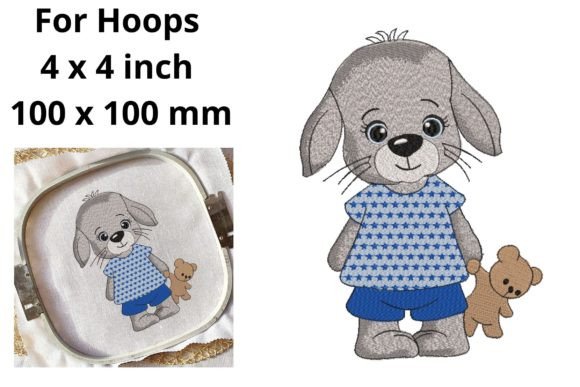
The moment I loaded the Baby Bunny Boy in Frame into my editing software, the mood was immediately apparent. This design falls squarely into the Baby Animals category, but it avoids being overly cartoonish. Instead, it strikes a balance between playful and elegant. The framing element adds a touch of classic sophistication, making it suitable for more than just casual baby items. It feels sweet, handmade, and deeply comforting.
For a designer, the emotional appeal is crucial. When a customer orders a personalized gift, they are buying a feeling. This design evokes nostalgia and tenderness. It is the kind of imagery that stops a scroller on social media because it triggers an immediate "aww" response. Whether you are targeting new parents, grandparents, or friends looking for a unique baby shower present, the visual language here is universally appealing. It does not scream for attention; it invites it in with warmth.
Versatility in Product Application
One of the strongest assets of this design is its adaptability. In my workshop, I tested it across several different mediums to see where it shines brightest. Here is how Baby Bunny Boy in Frame performs on various popular products:
- Baby Blankets and Swaddles: This is perhaps the most natural fit. The softness of the bunny motif complements the texture of minky or cotton blankets. Blanket embroidery requires a design that is not too dense, ensuring the fabric remains soft against a baby’s skin.
- Embroidered Towels: A custom embroidered towel makes for a cherished keepsake. The frame structure of the design helps contain the stitches, preventing them from getting lost in the loops of terry cloth, provided you use the right stabilizer.
- Nursery Decor: Think pillow covers and wall hangings. The design works beautifully on linen or canvas, adding a handmade touch to a modern nursery.
- Apparel and Accessories: From baby onesies to adult aprons, the central placement within the frame allows for easy positioning. It also translates well to tote bags, offering a cute yet stylish accent for everyday use.
For Etsy sellers and small shop product creators, this versatility means you can create a cohesive collection. You can offer the same design on a bib, a blanket, and a keepsake box label, maximizing the utility of a single digital embroidery file.
Technical Considerations for Best Results
While the aesthetic is charming, successful execution depends on technical precision. As a professional, I cannot stress enough the importance of understanding the mechanics behind the art. Here are the key factors I evaluated during my testing phase.
Fabric Texture and Stabilizer Choice
The success of any custom embroidery project hinges on the interaction between thread, needle, fabric, and stabilizer. For textured fabrics like waffle weave towels or thick fleece, you must ensure your stabilizer is robust enough to prevent sinking. I recommend using a cut-away stabilizer for items that will be washed frequently, such as baby clothes and towels. This ensures the design retains its shape over time.
When working with stretchy baby clothes, hooping technique is vital. Use a floating method if the garment is difficult to hoop directly, and ensure the fabric is taut but not distorted. The Baby Bunny Boy in Frame has details that could pucker if the tension is off, so always test on scrap fabric first.
Thread Colors and Contrast
Color selection can make or break the visibility of the design. On light fabrics, pastel threads create a soft, dreamy look that fits the baby theme perfectly. However, on darker fabrics, you need high-contrast thread colors to ensure the bunny and the frame stand out. I suggest creating a printable mockup or digitally simulating the design on different background colors before stitching. This helps customers visualize the finished product and reduces the likelihood of returns due to unexpected color blending.
Stitch Density and Detail
Although the specific stitch count is not provided in the initial description, designs with frames and animal features often have varying densities. Check the stitch density in your software. If the frame is very dense, it might become stiff on lightweight fabrics like muslin. Conversely, if the bunny’s facial features are too sparse, they might lack definition. Always zoom in on your digitizing software to inspect small details. If the eyes or nose are made of very short stitches, ensure your machine is calibrated correctly to avoid thread breaks or bird nests.
Commercial Viability and Customer Trust
For those engaging in commercial embroidery, the perceived value of the final item is paramount. A well-executed Baby Bunny Boy in Frame elevates a simple textile into a heirloom-quality piece. This increases customer trust and encourages repeat business. When buyers see clean, crisp stitches and thoughtful design placement, they associate that quality with your brand.
This design is particularly effective for wedding gift markets as well. While it is categorized under baby animals, the framed aesthetic lends itself to christening gifts or first birthday celebrations. It bridges the gap between casual cute and formal commemorative. By offering this as part of a curated line of handmade product offerings, you signal to your customers that you understand the nuances of gift-giving.
Important Licensing and File Format Notes
Before you begin selling items made with this design, it is crucial to verify the licensing terms. The product description states that the machine embroidery design comes with multiple embroidery file formats and can be used with multiple machines. This is excellent news for compatibility, but you must confirm whether the license allows for commercial use of finished goods. Most designers allow you to sell physical items made with their files, but reselling the digital file itself is typically prohibited. Always read the specific license included with your download.
Additionally, since the description mentions multiple formats, ensure you are using the correct file for your specific hoop size. Using a file scaled incorrectly can lead to distortion or poor stitch quality. If you are unsure about the optimal hoop size, consult the documentation provided by the designer or test smaller sections first.
Final Thoughts for Makers
In conclusion, Baby Bunny Boy in Frame is a strong contender for any embroidery business focused on baby and family-oriented products. Its charm is undeniable, and its framed composition offers a structured look that appeals to a wide audience. By paying attention to fabric texture, stabilizer choice, and thread contrast, you can produce high-quality items that resonate emotionally with buyers. Whether you are creating a cozy pillow cover for a nursery or a personalized towel for a new arrival, this design provides the perfect blend of sweetness and style. Remember to test thoroughly, respect licensing agreements, and let the quality of your craftsmanship speak for itself.