Kitchen Sketch Line Art: A Designer's Review
As an embroidery designer who spends hours digitizing and stitching for both personal projects and commercial clients, I am always on the lookout for files that offer a unique aesthetic without compromising on stitch quality. Recently, I came across Kitchen Sketch Line Art on Creative Fabrica, and it immediately caught my eye for its distinct visual mood. In a market saturated with heavy, solid fill designs, this collection offers a refreshing change of pace. It feels less like a standard machine output and more like a hand-drawn illustration brought to life with thread. For those of us creating handmade products, finding a design that balances artistic flair with practical stitching requirements is crucial.
The Visual Appeal and Stitching Personality
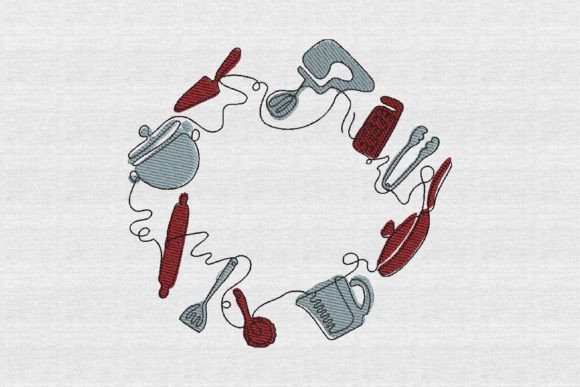
The first thing you notice about Kitchen Sketch Line Art is its delicate nature. The product description highlights that these are designed with light fill and little to no underlay, allowing the fabric to show through the stitches. This is a significant detail for any experienced embroiderer. It suggests a "sketchy" or organic look rather than a bold, blocky appearance. This style is perfect for modern farmhouse decor, minimalist kitchen textiles, or boutique apparel where you want the texture of the material to remain part of the design.
Visually, these designs likely rely heavily on running stitches and sparse fill areas to create that open, airy feel. This approach gives the finished product a sophisticated, high-end look that often appeals to customers looking for something subtler than traditional heavy embroidery. However, from a technical standpoint, this "light fill" characteristic means the design personality is entirely dependent on the fabric choice. On a crisp white linen tea towel, it will look elegant and clean. On a textured canvas tote, it might add a rustic charm. Understanding this interplay between thread and fabric is key to maximizing the value of this embroidery file.
Real-World Application for Handmade Businesses
When evaluating a new asset for my shop, I always ask: "Where does this fit in a real customer order?" For Kitchen Sketch Line Art, the applications are vast, particularly for those selling on Etsy or at local craft fairs. Because the theme is kitchen-centric, the most obvious use case is home goods. Imagine a set of flour sack towels embroidered with these sketch-style utensils or food items. The open stitching ensures the towels remain absorbent and soft, avoiding the stiff, plastic-like feel that dense satin stitches can sometimes create.
Beyond towels, this design is excellent for custom apparel. A lightweight sweatshirt or an apron made from natural cotton would benefit greatly from this aesthetic. The lack of heavy underlay makes it comfortable to wear against the skin, which is a major selling point for clothing items. For baby items, such as bibs or nursery wall hangings, the gentle, non-bulky nature of the stitch work is ideal. It reduces the risk of irritation and maintains the drape of delicate fabrics.
For digital product sellers and creative entrepreneurs, these files can also serve as excellent elements for printable mockups. Even before stitching, the visual style can be used to create compelling marketing images that showcase a cohesive brand identity focused on handmade quality and artisanal charm.
Technical Considerations and Fabric Compatibility
While the aesthetic is promising, working with light fill designs requires a keen eye for detail. Since Kitchen Sketch Line Art relies on the fabric showing through, your choice of material dictates the final outcome. If you stitch this on a dark fabric without proper planning, the design might get lost. The description notes that the fabric is visible through the stitches, which implies transparency. Therefore, testing on scrap fabric is not just recommended; it is mandatory. You need to verify how the thread colors contrast against your specific material.
Stabilizer selection is another critical factor. With little to no underlay, the stability of the design rests almost entirely on your hooping technique and stabilizer choice. For stretchy fabrics like jersey knits used in t-shirts or sweatshirts, a cut-away stabilizer is likely necessary to prevent distortion over time, even if the stitch count is low. For woven items like pillow covers or aprons, a tear-away might suffice, but you must ensure the fabric doesn't pucker around the sparse stitch areas.
One potential challenge with sketch-style designs is durability. Products that undergo frequent washing, such as kitchen towels or active wear, need robust stitching. Since these designs are not 100% filled, there is less thread holding the structure together compared to a dense column stitch. It is wise to inspect small details after the first wash to ensure no threads have loosened. Additionally, if you plan to use these on curved surfaces like caps, the lack of substantial underlay might make it difficult to achieve a smooth lay on the structured front panel. These designs are likely best suited for flat hoops and relatively stable surfaces.
Enhancing Product Value and Brand Trust
In the world of handmade goods, presentation is everything. Using a unique design like Kitchen Sketch Line Art can significantly elevate your brand perception. Customers are increasingly drawn to items that look artisanal rather than mass-produced. The visible fabric texture within the embroidery signals a thoughtful design process, distinguishing your finished product from generic big-box store items.
This attention to detail builds buyer trust. When a customer sees that the embroidery complements the fabric rather than overpowering it, they perceive higher quality. This is especially true for personalized gifts. A monogram or custom name paired with these sketch elements on a tote bag or kitchen set creates a bespoke feel that justifies a higher price point. Furthermore, the visual appeal of these designs translates well to product photography. The interplay of light and shadow through the open stitches can create stunning images for your online listings, driving higher engagement and conversion rates.
Final Verdict and Practical Advice
Overall, Kitchen Sketch Line Art appears to be a versatile and stylish addition to any embroidery designer's library, particularly for those focusing on home decor and light apparel. Its strength lies in its ability to blend seamlessly with various fabrics while maintaining a distinct artistic voice. However, success with this file depends on the user's understanding of how light fill designs behave.
Before committing to a large production run or a client order, I strongly advise reviewing the specific file details on the Creative Fabrica product page. Since the description does not specify exact stitch counts, available hoop sizes, or compatible machine formats, you must confirm these technical specs match your equipment. Check if the file includes multiple sizes to fit different hoop constraints, especially if you are working with smaller items like patches or pocket details.
Always remember to check the licensing terms provided by the creator. While many files on Creative Fabrica allow for commercial use, ensuring you are compliant is essential for protecting your small business. By taking the time to test stitch densities, experiment with thread color contrasts, and select the right stabilizer, you can transform this simple line art into a standout feature of your commercial embroidery portfolio. Whether you are making a single personalized gift or stocking inventory for a boutique, this design offers a pathway to creating elegant, professional-grade handmade products.