Koala Appliqué: A Craft Fair Best-Seller Review
As an embroidery designer preparing for a busy weekend at the local handmade market, I spend a lot of time scrutinizing my design assets before committing to production. My booth needs to stop traffic, and every craft fair product on display must scream quality and appeal. Today, I am putting the Koala Appliqué under the microscope. This isn't just about whether the file runs smoothly; it is about whether this specific design will convert browsers into buyers when stitched onto real goods.
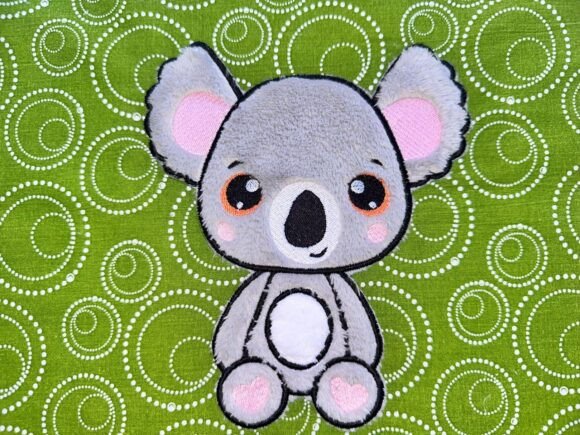
The first impression of the Koala Appliqué is undeniably soft and inviting. In a sea of bold geometric patterns and rustic farmhouse scripts, this design leans heavily into the "cute" and "nursery" aesthetic. It feels gentle, approachable, and perfectly suited for the Baby Animals category. For a seller targeting parents, grandparents, and gift-givers, this emotional connection is gold. The appliqué technique itself adds a layer of tactile dimension that flat stitching often lacks, giving the finished product a premium, handmade feel that justifies a higher price point.
Visual Impact on Market Products
When setting up a table display, visual hierarchy is everything. I imagine placing the Koala Appliqué on a variety of items to see where it shines brightest. On a canvas tote bag design, the contrast between the fabric texture and the layered appliqué creates an immediate focal point. Customers walking by will likely notice the texture before they even read the tag. Similarly, on a linen apron, this design transforms a utility item into a charming piece of kitchen decor. The apron embroidery market is competitive, but a well-executed koala adds a whimsical touch that stands out against standard monograms.
For smaller items like tea towel embroidery or fabric pouches, the scale of the design becomes critical. Because appliqué involves fabric layers, it can sometimes overwhelm a small surface area. However, if the Koala Appliqué is sized correctly, it makes for an adorable accent on a guest towel or a zippered cosmetic bag. I also see strong potential for embroidered patch applications. Creating iron-on patches with this design allows customers to buy a low-cost entry item or customize their own denim jackets later, expanding the reach of a single digital embroidery file.
Pillow covers are another natural home for this motif. A neutral throw pillow featuring the koala becomes an instant nursery staple. The key here is color selection; using soft pastels or earthy tones will enhance the "lovable" description found in the product details, whereas high-contrast neon threads might clash with the intended gentle vibe.
Production Practicality and Batch Selling
From a business owner's perspective, the Koala Appliqué must be efficient to produce. Craft fairs require volume, and I need to know if this design is repeatable for batch production. Appliqué designs generally require more steps than standard satin stitch designs because you must stop the machine to place the fabric tack-down, trim the excess, and then cover the raw edges. This means the cycle time per unit is longer. However, the perceived value of appliqué is significantly higher, allowing for a better profit margin on each small shop product.
Photography is another crucial factor for the Etsy seller who also sells online. Appliqué photographs beautifully because the shadows created by the fabric layers add depth to printable mockup images and real-life photos. A flat design can look dull on a screen, but the Koala Appliqué will pop in listing photos, increasing click-through rates. The texture tells a story of craftsmanship that digital renders cannot fully replicate.
Critical Considerations for Execution
While the design is charming, there are technical hurdles to clear before hitting the "start" button on the machine. Here are the specific areas where I exercise caution:
- Fabric Texture: Appliqué relies on clean cuts and smooth edges. Using highly textured towels or looped fabrics can make the trimming process difficult and result in a fuzzy, unkempt look. Smooth cottons or linens are safer bets.
- Stitch Density: I need to inspect the stitch density of the border. If the satin column covering the raw edge is too dense, it can cause puckering, especially on lighter fabrics. If it is too loose, the underlying cut fabric might peek through.
- Curved Surfaces: Applying this to caps requires careful hooping. The curved surface of a baseball cap can distort the shape of the koala if the stabilizer isn't robust enough. A stiff cut-away stabilizer is likely necessary to maintain the design's integrity.
- Dark Fabric: The description mentions "sweet and lovable," which often implies light or medium thread colors. On dark navy or black fabric, the contrast might be striking, but I must ensure the tack-down stitch doesn't show through the top fabric layer.
- Small Details: If the design includes tiny facial features or small lettering within the koala shape, these may lose clarity if the design is resized too small. Always test the smallest intended size on scrap fabric first.
Designer Notes for Commercial Success
Before listing this as a commercial embroidery item, I always run a rigorous testing protocol. First, I stitch the Koala Appliqué on scrap fabric identical to my final product material. This confirms the hoop size requirements and ensures the machine handles the fabric switches smoothly. I also check thread colors against my inventory; if the design calls for a specific shade of grey that I don't stock, I need to find a suitable substitute that maintains the design's mood.
Spacing is another vital element. Does the koala sit well centered on a pocket? Is there enough room around the design for the hoop without hitting seams? Creating at least one real mockup—a finished tote or pillow—is non-negotiable. This sample serves as the centerpiece of my booth display, proving to customers that the handmade product is durable and well-constructed.
Finally, and perhaps most importantly, I must verify the licensing terms. The product description highlights its suitability for baby clothes and children's items, suggesting broad appeal. However, I need to confirm that the embroidery file purchase includes a commercial license allowing me to sell physical goods made with the design. Never assume; always read the terms to protect your business.
In conclusion, the Koala Appliqué is a strong contender for any maker focusing on the baby and gift market. Its strength lies in its emotional appeal and tactile quality. While it demands more production time than simple line art, the resulting brand consistency and high perceived value make it a worthwhile investment for your next craft fair lineup. With careful attention to fabric choice and stabilizer selection, this design has the potential to be a standout seller that draws customers to your booth and keeps them coming back for more.