Plane Pilot: A Charming Embroidery Design for Personalized Gifts
As an embroidery designer who has spent years testing digital files for a bustling personalized gift shop, I approach every new machine embroidery design with a critical eye. My job isn't just to make things look pretty; it is to ensure that every finished product withstands the rigors of daily life while delivering an emotional punch to the recipient. Recently, I had the opportunity to test the Plane Pilot design, a file categorized under Robots but possessing a whimsical charm that transcends its genre. After running it through our standard quality control process, I am ready to share how this design performs for Etsy sellers, crafters, and small business owners looking to expand their inventory.
First Impressions: Mood and Artistic Appeal
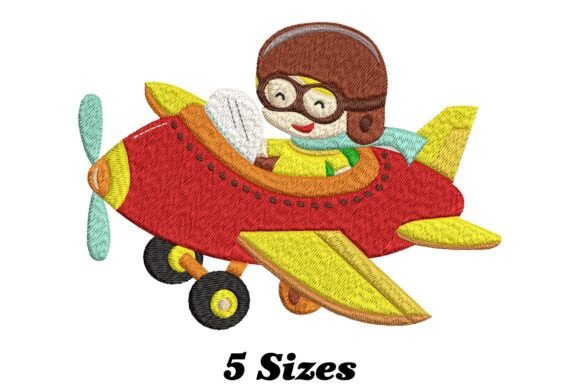
When I first loaded the digital embroidery file for Plane Pilot onto my screen, the immediate impression was one of playful nostalgia. Despite being listed in the Robots category, the design does not feel cold or mechanical. Instead, it exudes a cheerful and artistic touch, perfect for adding character to various fabrics. The lines are clean, suggesting a modern aesthetic that avoids the cluttered look of older, low-resolution files. For a handmade product to succeed in today's market, it must feel intentional and high-quality. Plane Pilot delivers this by balancing detail with simplicity, making it suitable for everything from a delicate baby onesie to a sturdy kitchen towel.
The emotional appeal of this design is significant. It taps into themes of adventure, childhood dreams, and exploration. This makes it an incredibly versatile asset for anyone creating personalized gifts. Whether you are targeting new parents dreaming of their child's future travels or aviation enthusiasts looking for unique home decor, the mood of Plane Pilot is inviting and warm.
Ideal Applications for Custom Embroidery Projects
In my shop, we constantly brainstorm where a new design fits best. Plane Pilot shines across a surprising range of applications. Here is how I envision it performing in real-world scenarios:
- Baby Embroidery: This is perhaps the strongest use case. The design is adorable on baby blankets and nursery bibs. It serves as a wonderful centerpiece for a "ready for takeoff" themed nursery.
- Wedding Gifts: For couples who love to travel, stitching Plane Pilot onto a pair of hand towels or a guest book cover adds a personalized, meaningful touch that generic store-bought gifts lack.
- Home Decor: Imagine this stitched onto a linen pillow cover for a child's reading nook or framed as wall art. The artistic nature of the design elevates it beyond simple crafting.
- Apparel and Accessories: It works beautifully on tote bags and aprons. For a small shop product line, offering custom embroidered totes with this design could be a major seller at local craft fairs.
- Kitchen Linens: An embroidered towel featuring Plane Pilot makes a charming housewarming gift, especially when paired with a custom name or date.
Technical Considerations and Fabric Challenges
While the visual appeal of Plane Pilot is undeniable, a professional reviewer must address the technical realities of commercial embroidery. Not every fabric plays nice with every file. During my testing phase, I identified several areas where caution is required to ensure the highest quality results.
First, consider the fabric texture. The design includes details that may get lost on highly textured materials like thick waffle-weave towels or looped terry cloth. For these items, I recommend using a heavier cut-away stabilizer to prevent the fabric from puckering and to support the stitch definition. Conversely, on stretchy baby clothes, the tension must be managed carefully. If the stitch density is too high for a lightweight knit, the fabric may pucker or become stiff. Always test on scrap fabric first.
Color contrast is another critical factor. On dark fabrics, the lighter thread colors in the design will pop, but you must ensure there are enough underlay stitches to prevent the fabric color from showing through gaps. On light fabrics, verify that the outline stitches are dense enough to stand out. Additionally, if the design includes any small lettering or fine details, these can be problematic on curved surfaces or products that undergo frequent washing. Small elements may fray or break down faster than the main body of the design.
Essential Pre-Production Checklist
Before committing to a full production run or fulfilling a customer order, I advise all handmade sellers to follow this practical checklist:
- Test on Scrap Fabric: Never skip this step. Use the exact same material and stabilizer combination you plan to use for the final item.
- Check Thread Color Contrast: Ensure your chosen thread palette provides sufficient contrast against the base fabric for maximum visibility.
- Confirm Hoop Size: Verify that the design fits within your available hoop size without needing excessive re-hooping, which can lead to alignment issues.
- Review Stitch Density: Examine the file in your editing software to ensure the density is appropriate for your specific fabric weight.
- Use Proper Stabilizer: Match your stabilizer type (cut-away, tear-away, or water-soluble) to the fabric and the end-use of the product.
- Compare Mockups: Create printable mockup images on both light and dark backgrounds to show customers how the design looks in different contexts.
- Inspect Small Details: After stitching, closely inspect fine lines and small shapes to ensure they are crisp and secure.
- Verify Licensing: Always confirm commercial licensing terms before selling finished products to ensure you are compliant with the creator's rules.
Enhancing Giftability and Perceived Value
In the world of online selling, particularly for an Etsy seller, the perceived value of an item often hinges on the quality of the customization. Plane Pilot adds a layer of professionalism and thoughtfulness that generic prints cannot match. When a customer sees a perfectly stitched, tailored design on a high-quality blanket or towel, their trust in the brand increases immediately.
This design fosters an emotional connection. A gift featuring Plane Pilot tells a story—of flight, of dreams, or of a shared interest between the giver and the receiver. This narrative boosts buyer engagement and makes the product more shareable on social media, which is invaluable for marketing. Furthermore, the handmade quality of machine embroidery signals care and effort, justifying a higher price point compared to mass-produced alternatives.
For those creating wedding gifts or baby shower presents, the uniqueness of this design sets your work apart. It transforms a simple household item into a keepsake. However, remember that the description provided mentions it is ideal for t-shirts, towels, or home decor, but specific technical data like exact stitch count or file formats were not detailed in the brief. Therefore, it is vital to check these specifications in the actual file download to ensure compatibility with your specific machine setup.
Final Thoughts for Designers and Makers
Plane Pilot is a standout addition to any library of custom embroidery assets. Its blend of modern style and classic charm makes it a safe yet exciting choice for a wide variety of projects. From the initial embroidery file load to the final press of the finished product, this design offers a reliable and delightful experience. By paying attention to fabric choices, stabilizer needs, and technical details, you can leverage Plane Pilot to create stunning, high-value items that customers will cherish for years. Whether you are a seasoned pro or a newcomer to the world of Robots and aviation-themed crafts, this design is ready to help your business take flight.