Three Chickens: A Designer's Review for Farm Projects
When I first pulled up the Three Chickens embroidery design on my screen, I wasn't looking for just another cute barnyard graphic. As someone who spends hours tweaking stitch paths and troubleshooting density issues for clients, I look for designs that translate well from a digital file to a tangible, high-quality finished product. This specific machine embroidery design caught my eye because of its potential versatility. It promises to bring life to various farm-themed projects, ranging from rustic home decor to personalized apparel. But does it hold up under the needle? Let's break down how this design performs in real-world scenarios.
First Impressions and Visual Personality
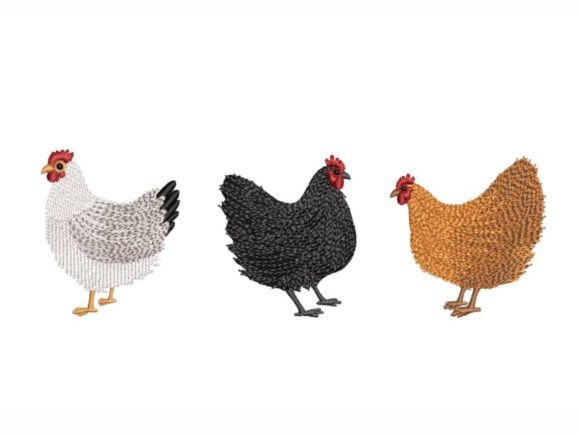
The immediate appeal of Three Chickens lies in its composition. Unlike some cluttered farm animal graphics that try to cram too much detail into a small space, this layout feels balanced. The grouping of the three birds creates a natural focal point that works well whether you are centering it on a large tote bag or placing it as a pocket accent on a child's dress. The visual personality is charming without being overly childish, which is a rare find. It strikes that sweet spot needed for boutique branding—whimsical enough for a nursery but structured enough for a kitchen towel or an apron in a farmhouse-style cafe.
In terms of mood, the design evokes a sense of warmth and simplicity. For an Etsy seller or a small shop owner, this is crucial. Your customers aren't just buying a stitched image; they are buying a feeling. This design fits perfectly into the current trend of slow living and handmade aesthetics. Whether you are creating a personalized gift for a new homeowner or developing a line of custom apparel for a local farming co-op, the theme resonates immediately.
Real-World Application: The Tote Bag Test
To truly evaluate an embroidery file, I mentally walk through a specific project scenario. Let's say I am preparing a custom embroidered tote bag for a spring market. Canvas is a popular choice for these bags, but it has a distinct weave that can sometimes swallow fine details. With Three Chickens, the key consideration is how the stitch types interact with the fabric texture.
If the design utilizes a mix of satin stitch for outlines and fill stitch for the bodies of the chickens, it should provide excellent coverage on the canvas. Satin stitches offer a shiny, premium look that catches the light, while fill stitches ensure the design doesn't look sparse. However, if the design relies heavily on running stitch for internal details, I would be cautious. On a textured fabric like canvas or a woven linen tea towel, running stitches can get lost or appear uneven if the stitch density isn't optimized. Before committing to a production run, I would strongly advise testing the design on a scrap piece of your intended fabric to see how the threads sit.
Versatility Across Products
One of the strongest assets of the Three Chickens design is its adaptability across different product categories. Here is how I see it fitting into various embroidery project workflows:
- Sweatshirt Embroidery: Placed on the chest or sleeve, this design adds a cozy, autumnal vibe to fleece or cotton blends. The softness of the chickens complements the casual nature of sweatshirts.
- Baby Embroidery: For onesies or bibs, the scale of the design matters. If the file comes in multiple sizes, the smallest version could be adorable on a collar. Just ensure the thread colors are soft and baby-safe.
- Kitchen Linens: Aprons and tea towels are natural homes for farm animals. The durability of the stitching will be tested here due to frequent washing, so a robust underlay is essential.
- Embroidered Patches: If you are into making patches for hats or jackets, this grouped layout works well within a circular or oval boundary, creating a self-contained badge of honor for farm lovers.
For those selling digital embroidery files or printable mockups, this design offers great visual potential. It photographs well against neutral backgrounds, making it easy to create compelling social media content or product listings that drive buyer engagement.
Technical Considerations and Potential Pitfalls
While the aesthetic is strong, a professional reviewer must address the technical challenges. Not every surface is friendly to every design. Here are a few areas where you need to exercise caution with Three Chickens:
- Small Hoop Sizes: If you are working with a 4x4 hoop, check the dimensions carefully. Compressing a detailed group of three animals into a tiny space can lead to thread breaks and lost definition. Ensure the design fits comfortably with room for framing.
- Stretchy Fabrics: Knits used for t-shirts can distort if the stitch density is too high. Without the proper stabilizer, the chickens might look warped after the hoop is removed. Always use a cut-away stabilizer for stretchy garments to maintain the shape of the design over time.
- Dark Fabrics: If you plan to stitch this on a navy sweatshirt or black tote, verify that the design includes appropriate underlay or satin borders to prevent the dark fabric from peeking through the lighter thread colors of the chickens.
- Curved Surfaces: Applying this to a cap requires careful hooping. The curvature of the front panel can distort the horizontal alignment of the three birds. It is often better to choose a design specifically digitized for caps, or proceed with extensive testing.
Enhancing Brand Value and Customer Trust
Ultimately, the choice of design impacts your brand consistency and the perceived value of your handmade product. A clean, well-executed embroidery job builds customer trust. If the Three Chickens design stitches out cleanly with sharp edges and consistent color transitions, it elevates a simple tote bag into a boutique item worth a higher price point.
Conversely, poor execution can hurt your reputation. Before listing items on Etsy or at a craft fair, inspect the finished product closely. Are there any loose threads? Do the tiny details like the beaks or feet look crisp? These small elements determine whether a customer sees a professional small shop product or a hobbyist experiment. Using high-quality thread and matching the thread colors to current trends can further enhance the visual appeal.
Final Verdict and Designer Notes
The Three Chickens embroidery design is a solid contender for anyone looking to expand their catalog of farm-themed goods. Its strength lies in its thematic clarity and potential for diverse applications, from holiday gifts to everyday wear. However, like any commercial embroidery asset, its success depends on the preparation.
Before launching into full production, I recommend the following steps:
- Test on Scrap Fabric: Never skip this step. See how the design behaves on the exact material you intend to sell.
- Check Licensing: Confirm the license terms provided with the file. Can you sell unlimited finished items? Are there restrictions on reselling the digital file itself?
- Review Stitch Density: If the design feels too stiff on lightweight fabric, you may need to adjust your machine settings or switch stabilizers.
- Mockup Testing: Create black and white mockups to ensure the contrast holds up even without color, which helps in assessing the structural integrity of the design.
In the world of Farm Animals and rural chic, authenticity is key. This design offers a genuine, heartfelt representation of farm life that, when executed with care, can become a staple in your craft business. Whether you are decorating a single pillow cover for a friend or manufacturing a hundred tote bags for a local market, Three Chickens provides a reliable foundation for creative expression. Just remember that the magic happens not just in the file, but in the thoughtful application of your skills as a maker.