Buck Antlers: A Designer's Take on Woodland Charm
When I first pulled up the Buck Antlers file on my screen, my immediate reaction was one of quiet appreciation for its simplicity. In a market flooded with overly complex, hyper-realistic animal portraits that often turn into thread blobs once stitched out, there is something refreshing about a design that knows exactly what it is. This isn't just a generic image; it is a thoughtful machine embroidery design crafted with the end product in mind. As someone who spends hours hooping fabric and trimming jump stitches, I look for files that balance aesthetic appeal with technical reliability. Buck Antlers fits squarely into that sweet spot, offering a whimsical touch that feels modern rather than dated.
First Impressions: Mood and Visual Personality
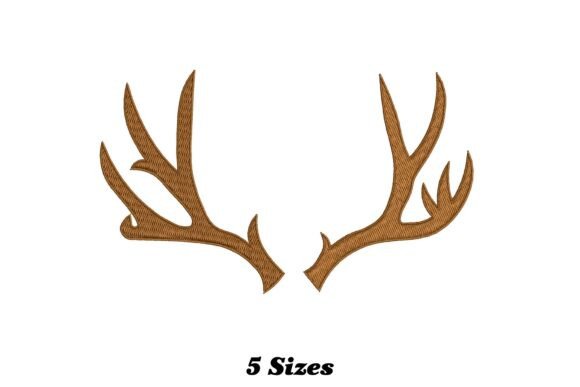
The visual personality of Buck Antlers is undeniably playful. It captures the essence of the Woodland Animals category without getting bogged down in unnecessary detail. The lines are clean, suggesting a confident use of satin stitch for the outlines and perhaps a lighter fill stitch for any internal shading, though the design relies heavily on shape rather than density. This approach creates a mood that is rustic yet refined. It feels at home in a nursery setting just as much as it does on a flannel shirt for a weekend camping trip. For designers, this versatility is gold. You aren't locked into a single niche; the design adapts to the context you place it in.
What stands out most is the layout. The antlers are symmetrical but organic, avoiding the rigid perfection that can sometimes make embroidery look robotic. This slight imperfection gives the finished product a handmade quality that customers crave. Whether you are an Etsy seller looking to expand your holiday catalog or a hobbyist making gifts for family, this design projects a sense of warmth and authenticity.
Real-World Application: From Concept to Stitch
To truly evaluate Buck Antlers, I imagined a specific scenario: a custom order for a local boutique needing a line of autumn-themed tote bag designs. The client wanted something subtle, not a massive graphic that dominates the canvas. Buck Antlers was the perfect candidate. Placed on a natural canvas tote, the design adds a dash of charm without overwhelming the material. The open spaces within the antler structure allow the fabric texture to breathe, which is crucial for heavier materials like canvas or denim.
I also considered how this would perform as sweatshirt embroidery. On a heather grey fleece, the definition of the antlers would pop beautifully, especially if paired with a contrasting thread color like deep forest green or burnt orange. For baby embroidery, the softness of the lines makes it ideal for onesies or bibs, provided the stitch count isn't too high for delicate skin. The design's scale seems adaptable; it could easily be resized for a pocket logo on a cap or enlarged for a pillow cover in a cabin-style living room.
For those running a craft business, the commercial potential here is significant. This design works exceptionally well for seasonal collections. Think of it on kitchen towels for Thanksgiving, aprons for the holiday baker, or even as part of a larger collage for a personalized gift. It serves as a strong brand element for shops focusing on outdoor lifestyles or rustic decor.
Technical Considerations and Fabric Choices
While Buck Antlers is robust, no design is universal without some forethought. When working with textured fabrics like terry cloth towels or thick wool blends, you need to be mindful of how the stitches sink in. A design with fine details can get lost if the fabric pile is too high. In these cases, testing on scrap fabric is non-negotiable. You might need to adjust your stabilizer choice; a cut-away stabilizer would provide the necessary support for stretchy knits, ensuring the antlers don't distort after washing.
Dark fabrics present another consideration. If you are stitching white or light-colored thread onto a black hoodie, the contrast will be striking, but you must ensure the density is sufficient to prevent the background from showing through. Conversely, on light fabrics, ensure your thread colors have enough saturation to stand out. The interplay of thread colors can make or break the visual impact. I recommend creating a few printable mockups in black and white before committing to a full production run to check the clarity of the shapes.
Curved surfaces, such as caps, require careful hooping. The symmetry of the antlers means any distortion will be immediately noticeable. If you are new to cap embroidery, practice your tension settings. The tips of the antlers are delicate points; if your machine pulls too tight, these areas can pucker. Using a proper hoop size that minimizes fabric movement is essential here.
Enhancing Value and Brand Consistency
In the world of commercial embroidery, consistency builds trust. Buck Antlers offers a level of professionalism that elevates a simple t-shirt into a boutique item. When a customer sees crisp, clean lines and thoughtful placement, they perceive higher value. This design helps maintain brand consistency if you are building a collection around nature or woodland themes. It acts as a recognizable asset that customers can associate with your specific style.
Furthermore, the "giftability" factor is high. Items featuring this design feel thoughtful and curated, rather than mass-produced. Whether it is a wedding gift for a couple who loves hiking or a housewarming present for friends moving to the country, the emotional resonance of the woodland theme adds a layer of meaning to the physical object.
Practical Notes for the Smart Designer
Before you dive into production, keep these practical steps in mind to ensure the best results with Buck Antlers:
- Test First: Always stitch a sample on the exact fabric you plan to use. What looks good on cotton might behave differently on polyester blends.
- Check Density: Review the stitch density in your editing software. If it looks too packed, consider reducing it slightly to prevent fabric stiffness.
- Contrast Matters: Experiment with thread colors. Sometimes a tonal look (dark blue on navy) is chic, but high contrast often showcases the design's shape better.
- Stabilizer Selection: Match your stabilizer to the fabric weight. Don't skimp here; it is the foundation of a clean stitch.
- Licensing Check: Since this is a digital embroidery file, always confirm the license terms. Ensure you are cleared for commercial use if you plan to sell finished items or design assets.
- Small Details: Inspect the tiny corners of the antlers. If they are too fine for your needle size, you may need to simplify the path or use a sharper needle.
Ultimately, Buck Antlers is a reliable, charming addition to any designer's library. It respects the limitations of the medium while maximizing aesthetic appeal. By understanding where and how to apply it, you can create small shop products that stand out in a crowded marketplace. It is a reminder that sometimes, less really is more, and that a well-executed, simple motif can carry just as much weight as a complex masterpiece.